
Saving the Soul of September: Why County Cricket Fans Won the Battle for 14 Matches
When the 18 first-class counties firmly rejected proposals to slash the County Championship format, it wasn't just administrative resistance. It was a defiant statement on why the unvarnished grit of September cricket matters more than administrative convenience.
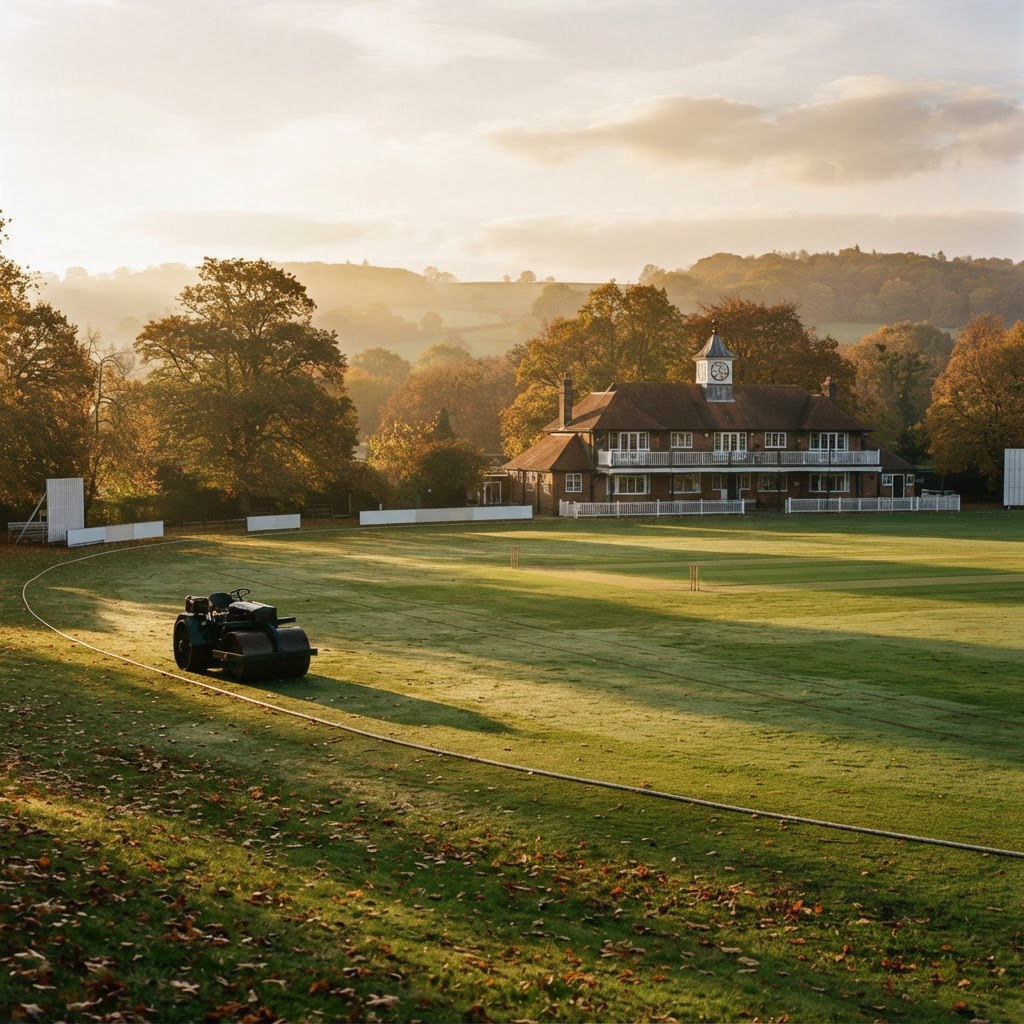
There is a distinct chill that creeps into the air when cricket enters its final acts in late September. It doesn't arrive with the synthetic fanfare of pyrotechnics or high-tempo stadium playlists; it arrives in heavy woollen knitwear, mist rising off dewy outfield banks, and spectators huddled into wooden deckchairs clutching battered thermoses. This is the county season climax—an atmospheric theatre where bonus points are earned in fading light, careers reach their autumn, and every block and leave carries the gravitational pull of history.
Yet, right on the precipice of the season's final round, English cricket stood at a familiar administrative crossroads. A sweeping reform proposal laid out before the 18 first-class counties sought to trim the four-day calendar down to a convoluted 12-team top tier, slashing fixtures and fracturing the traditional two-division format. But when the votes were counted, the counties stood firm: reform was rejected. The 14-match, two-tier championship structure survived.
For the suits who treat the sporting calendar like an Excel spreadsheet begging for optimization, the outcome will have provoked baffled shrugs. But for the cricket lover, this vote was far more than an internal governance issue. It was a profound cultural reckoning about what first-class cricket actually means to the people who give it life.
The Spreadsheet Mindset vs The Soul of the Championship
Every few seasons, the domestic game faces the same utilitarian critique. We are told that modern athletes play too much red-ball cricket, that fans don't have the attention span for four-day grinds, and that the domestic structure must be radically streamlined to serve the singular altar of the national side and white-ball spectacles. The proposed move to cut matches and carve up the championship into an uneven conference-style system was pitched under the eternal guise of modernisation.
What the planners routinely miss, however, is that county cricket is not merely an elite finishing school for Test hopefuls, nor is it dead inventory to be shoved into the calendar's dampest margins. It is a living, breathing community institution. County Championship cricket possesses an organic rhythm—14 matches, home and away, seven months of blood, sweat, damp outfields, and dogged rear-guards.
When administrators propose reducing games to 'clear space', what they are really suggesting is erasing the friction that defines first-class cricket. Four-day cricket is meant to be arduous. It is designed to test depth, stamina, reserve pacers, and mental fortitude over a marathon rather than a sprint. Cutting fixtures to engineer artificial 'best-against-best' encounters ignores the reality that sport gains its romance through the struggle across an entire summer.
Why Division Two Promotion is Pure Red-Ball Cinema
One of the most insidious aspects of the defeated proposal was that it threatened to fundamentally cheapen the beauty of the two-division pyramid. Under the mooted 12-team system, the existential thrill of promotion and relegation would have been neutered into a sterile reshuffle.
To dismiss Division Two is to completely misunderstand the beating heart of English cricket. Division Two is not second-rate; it is where legends are forged in the quiet fire of character. Watch a side battle for promotion across the back-end of September, scratching out fourth-day bonus points on turning pitches, and you will witness an intensity that rivals any glossy tournament. It is where young batters learn to face the old pros nursing reverse swing in the twilight, and where clubs play for pride, regional identity, and institutional survival.
Relegation and promotion matter deeply because they provide real jeopardy. When a team climbs out of the second tier, it isn't the byproduct of a boardroom algorithm or franchise license—it is earned out on the grass over 14 uncompromising rounds. By voting down structural upheaval, the counties preserved the sanctity of that climb.
The Unmistakable Poetry of September Cricket
There is no time in the sporting calendar quite like late September. By this point in the year, pitches have absorbed an entire summer of wear. Footmarks are gouged, bounce has turned eccentric, and spinners who spent July watching white-ball leagues from the pavilion suddenly become match-winners under heavy skies.
It is cricket stripped of all pretence. The players who take the field in September are tired, sore, and often playing through taped fingers and aching knees. Yet, their commitment to the contest is absolute. When an opener leaves the ball outside off stump with soft hands in the 80th over while shadows lengthen across the square, you are watching human patience elevate sport into an art form.
That patience cannot exist in a truncated tournament. If you compress the season into tidy fortnights, you destroy the seasonal narrative arch. You lose the beauty of the bowler who found their rhythm in May, battled a niggle through July, and now spearheads a decisive victory in late September. The county calendar's length is precisely what gives it emotional weight.
A Rejection of Homogenised Sport
Across modern sport, there is a relentless push toward homogenisation. Competitions everywhere are being packaged into hyper-condensed, brightly branded products designed for quick digital consumption. Everything must be short, fast, loud, and interchangeable.
By rejecting reform, county cricket stood as an unapologetic outlier. The vote was a rare, glorious victory for the traditionalist ethos—not a stubborn refusal to evolve, but a recognition of what is truly valuable. Fans do not love county cricket in spite of its idiosyncrasies; they love it because of them. We love the strange scorelines, the rain-affected draws that turn into tense fourth-innings run chases, the quiet lunches taken on wooden boundary benches, and the regional rivalries that have spent a century maturing.
To reduce matches is to reduce the touchpoints where supporters connect with their clubs. The county game belongs to the members who turn up on a frosty Thursday morning just as much as it belongs to the broadcasters. In voting against dilution, the counties acknowledged that trimming the schedule chips away at the loyal foundation that keeps the sport solvent during the quiet months.
The Marathon Must Remain
Cricket does not need to apologise for taking four days, nor does the County Championship need to apologise for spanning 14 rounds. In an age characterised by instant gratification, an endurance test is a radical and precious thing.
As the curtains fall on another long summer, the scorebooks close on another season of grit, heartbreak, and unheralded heroics. The battle to protect the format will surely resurface—the modern schedule is relentless, and boardroom eyes will inevitably wander back to the chopping block. But for now, English cricket has remembered its own nature.
The long road remains intact. The championship remains a test of survival, endurance, and quiet brilliance. And as the leaves begin to fall across county grounds up and down the land, we can celebrate not just the champions lifting their silverware, but the triumph of the game itself.