Why Village Cricket Is The Greatest Game Within The Game
Why is village cricket so special?
The Ground That Time Forgot
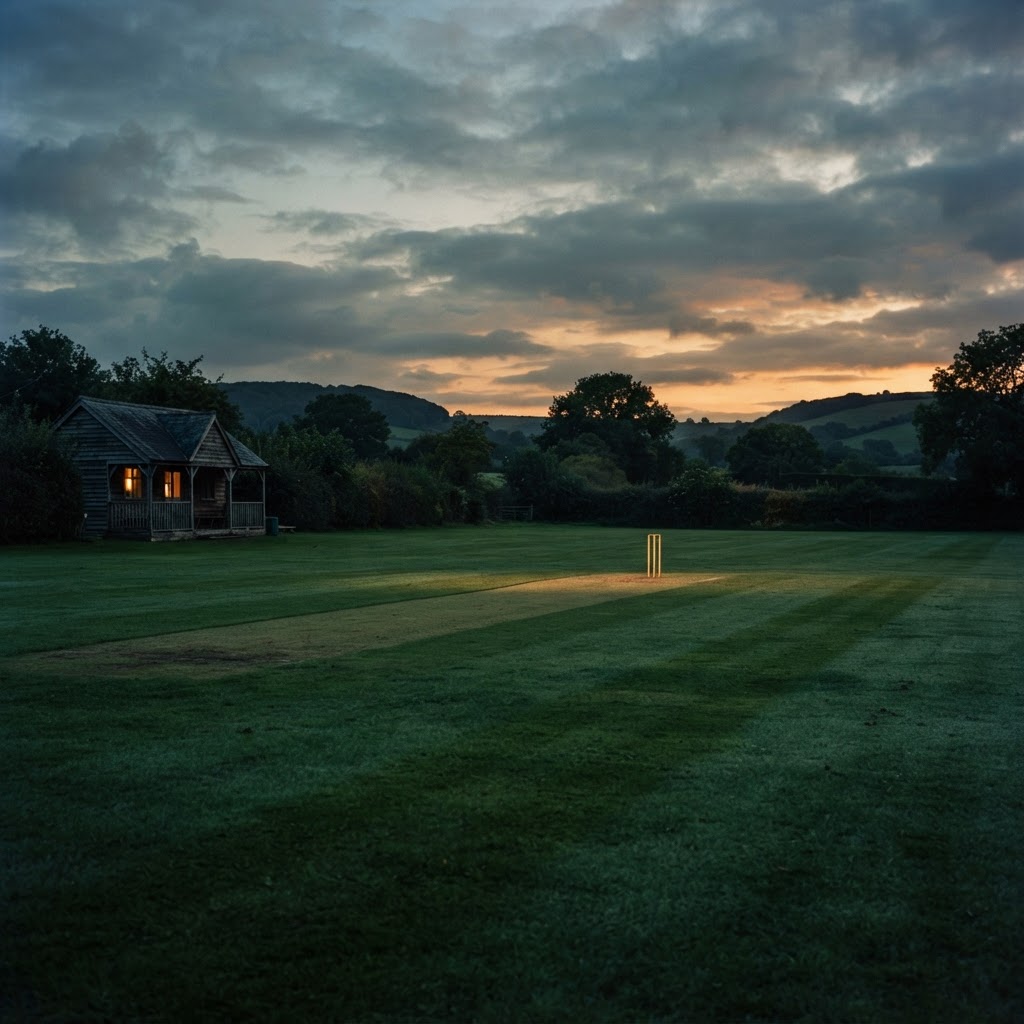
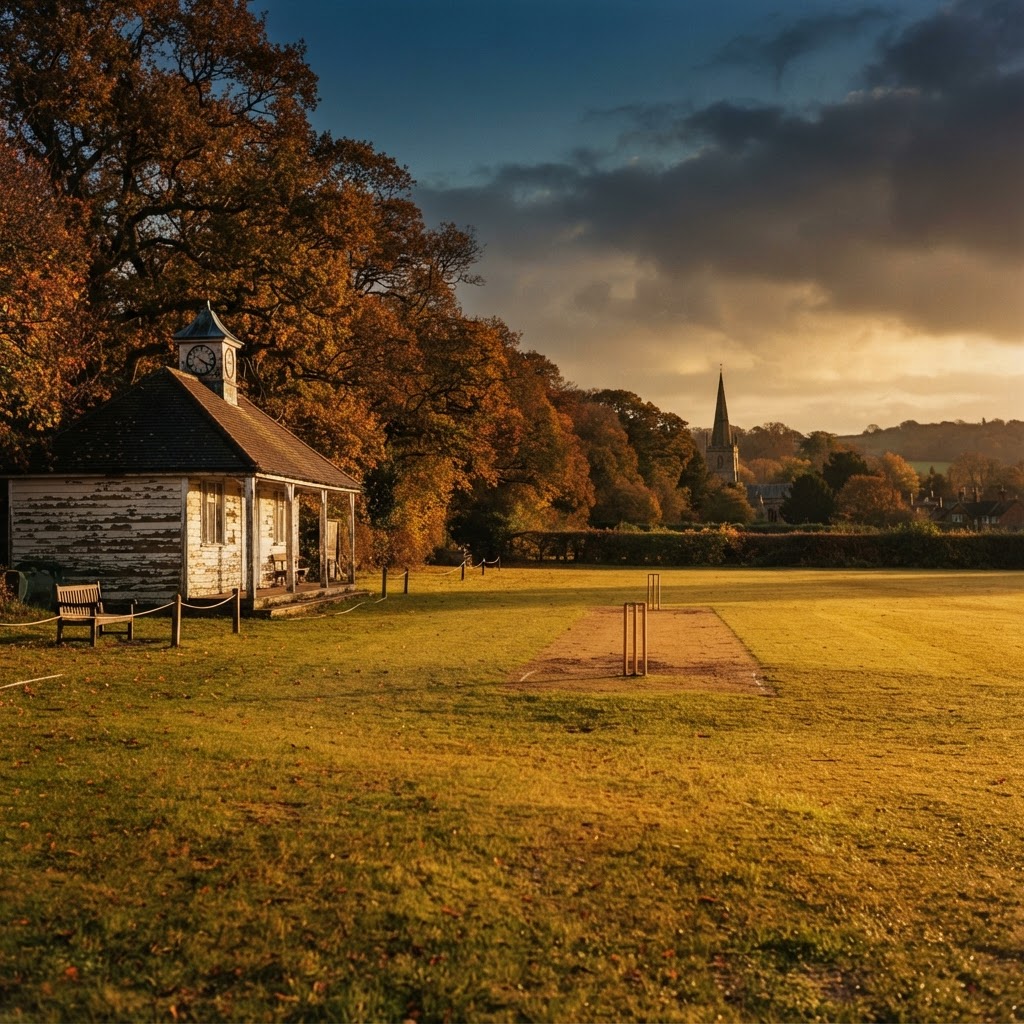
There is a particular kind of magic that happens on a village cricket ground that you simply cannot manufacture anywhere else. The outfield is uneven. The sight screen has been repainted by someone who clearly did it as a favour rather than a vocation. The pavilion smells of old wood, linseed oil, and seventy years of sandwiches. And yet, standing out there on a warm Saturday afternoon with the church spire visible over square leg and a tractor idling somewhere in the middle distance, you would not trade it for anything.
Village cricket is the game stripped back to its bones. No DRS. No Spidercam. No commentary team telling you what you just watched. Just twenty-two people, a handful of scorers, a groundsman with strong opinions about the crease markings, and somewhere between twelve and forty spectators depending on whether the pub quiz clashes.
I have watched Test cricket at Lord's. I have been there for the roar when a wicket falls at Headingley. And I still think the most alive I have ever felt watching cricket was when a fifty-three-year-old number nine hit a six over long on to win a village game by one wicket in the final over. Nobody wrote about it. Nobody filmed it. It just happened, and the people who were there will carry it forever.
What Village Cricket Actually Is
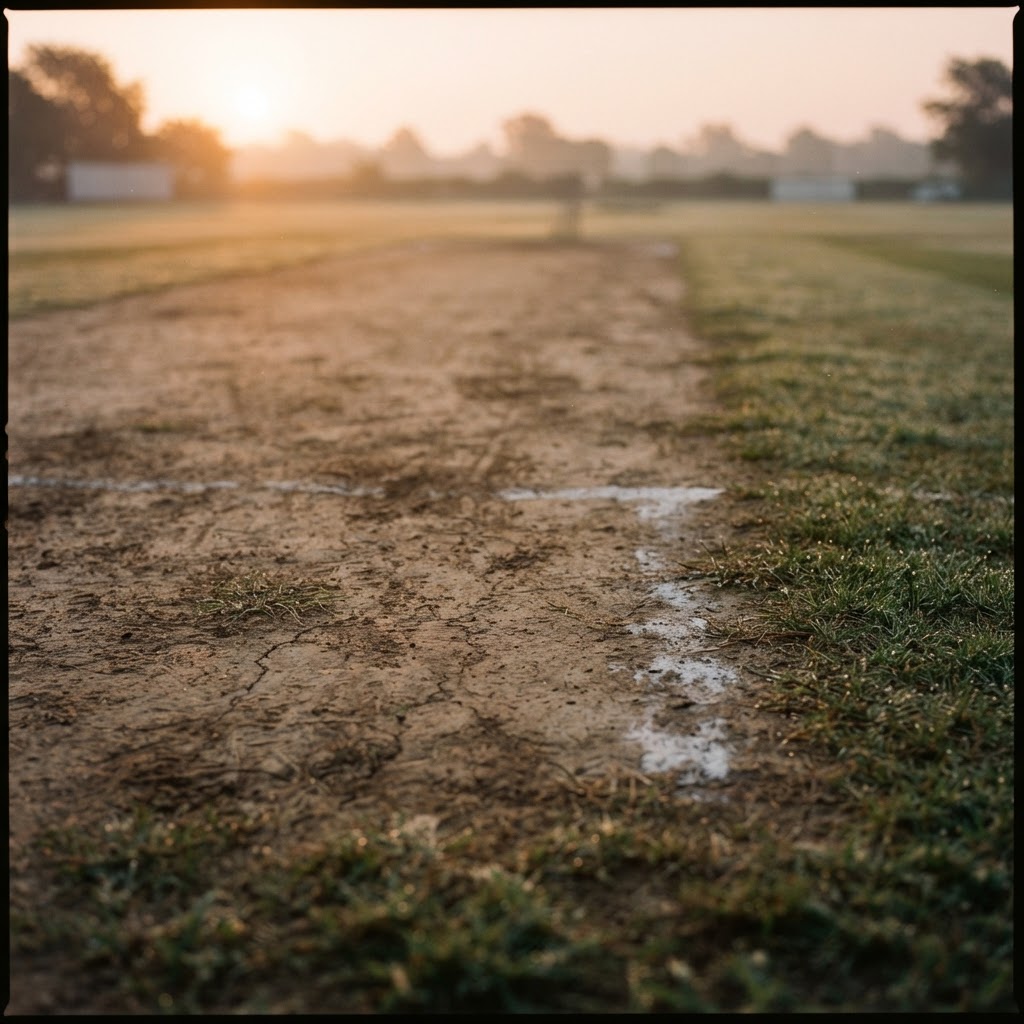
It is worth being precise about what we mean, because village cricket is not just any club cricket. It is a specific thing. It is cricket played on grounds that were not designed by anyone with architectural ambitions. It is cricket where the away team changes in a shed. It is cricket where the tea is taken seriously — where the quality of the sandwiches is considered a matter of genuine club honour and where a poor spread can generate more heated debate than a dodgy lbw decision.
Village cricket exists across Britain in hundreds of small communities where the local club has been running for a century or more. The names on the honours boards in those pavilions represent generations of people who turned up every weekend not because they were good enough for anything higher, but because they loved it. Because it was theirs.
The game has a rhythm that is completely its own. Matches often follow a format — forty overs a side, declaration cricket, or some hybrid that has evolved over decades and exists nowhere in the official laws — that suits the community rather than the committee. Tea is taken at the fall of the fifth wicket or at four o'clock, whichever comes first. Drinks breaks are negotiable. Disputes are resolved with a mutual squint at the sky and a shrug.
This is not chaos. This is a living culture.
The People Who Make It What It Is
Every village cricket club has a cast of characters so reliable you could set your watch by them. There is the opening bowler who has been opening the bowling since 1987 and considers it a personal slight if anyone else takes the new ball. There is the wicketkeeper who does not keep wicket so much as commentate on the game from behind the stumps, loudly, in real time. There is the batsman who has one shot — a booming drive through mid-off — and plays it regardless of line, length, or match situation.
There is also the person who does everything. The one who marks the crease, fixes the roller, organises the WhatsApp group, chases the opposition for their eleven, argues with the groundsman, and still manages to bat at five and take a couple of wickets on a good day. Village cricket runs on the labour of people who are never properly thanked, who have been doing it for thirty years, and who would be mortally offended if you tried to stop them.
This is what club cricket sociologists — if such a thing existed — would call informal institutional knowledge. Everyone else calls it Derek.
The beauty of village cricket is that it has space for all of it. It is genuinely one of the last sporting environments in Britain where a sixteen-year-old can bat alongside a fifty-five-year-old, where ability matters less than showing up, and where the story of the season is as likely to be told by a dropped catch as a century.
The Grounds Themselves
If you want to understand why village cricket is irreplaceable, start with the grounds. Not the playing surfaces — although some of those are genuinely spectacular — but the whole environment. The grounds are places that exist in relation to something bigger than cricket.
The best village grounds are set against something: a hill, a church, a row of cottages, a manor house that the club has permission to use the outfield of under some Victorian arrangement that nobody has ever fully understood. The ground is part of the community's identity in a way that a modern leisure facility simply cannot be.
Think about Hambledon in Hampshire, where organised cricket was played centuries ago and where the game's early culture was essentially invented by men who took the whole thing very seriously indeed. Think about the grounds in the Cotswolds where the stone walls run close enough to the boundary that a straight drive can bounce back into play. Think about grounds in Yorkshire where the moorland sits behind the bowler's arm and the light shifts every twenty minutes.
These are not just pretty backdrops. They are places that give the game meaning. Cricket without a sense of place is just sport. Cricket played on a ground with a hundred and fifty years of history embedded in its turf is something else entirely.
Why It Matters More Than You Think
There is a conversation that keeps happening in cricket — about the game's future, about whether Test cricket can survive, about whether franchise T20 is eating the sport whole. These are real conversations worth having. But they tend to miss something important.
Village cricket is where the game lives. Not in a romantic, sentimental way — although it is romantic and sentimental, unashamedly — but in a practical, structural way. The people who fill county grounds on a sunny Bank Holiday weekend are mostly people who played club cricket somewhere. The people who care about the Ashes are mostly people who understand what it feels like to hold a bat because they have held one themselves, in a game that mattered not because the world was watching but because their teammates were.
If village and club cricket dies — if the grounds get sold off, if the clubs fold because they cannot find enough players, if the culture quietly unravels — then professional cricket loses its roots. And a sport without roots is not really a sport. It is entertainment. Which is fine, but it is not the same thing.
The village game is also one of the last spaces in modern life where people from genuinely different backgrounds and generations mix without it being organised or branded. It just happens. It has always happened. The doctor bats at three and the bloke who fixes agricultural equipment bats at six and nobody finds this remarkable because cricket has always been like this at grassroots level, whatever the sport's complicated history with class might suggest at the top.
The Things That Never Change
There is something deliberately resistant about village cricket. It does not change very fast. It does not need to. The laws are updated every few years, plastic stumps have replaced wooden ones in some places, and someone has inevitably introduced a yellow ball for evening fixtures. But the essential structure — two teams, a pitch, a game that takes most of the day, tea in the middle — has remained consistent for generations.
This is not conservatism for its own sake. It is the recognition that the format works. That a game which takes all day gives you enough time to have a proper contest, enough time for the momentum to shift, enough time for stories to develop. T20 is exciting. A forty-over village game is a narrative.
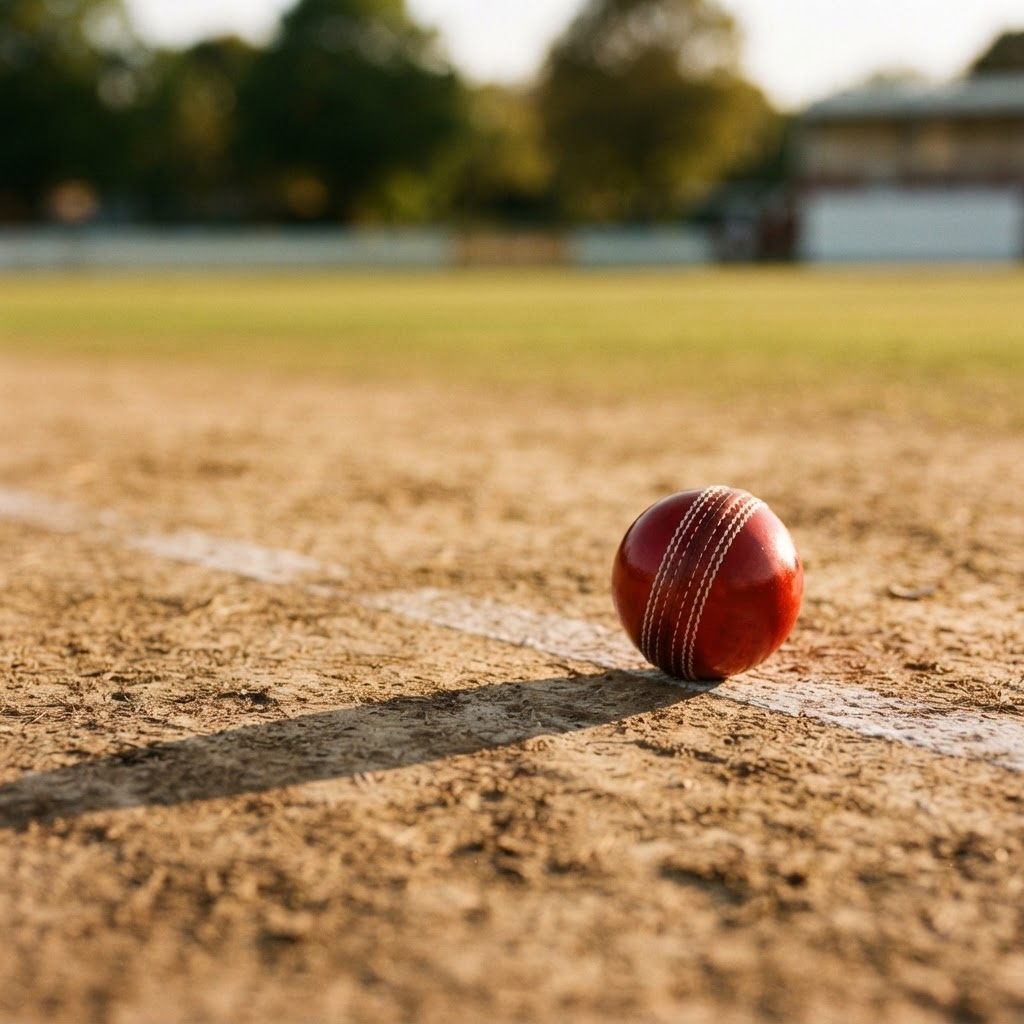
And the rituals matter. The toss matters, even when it is conducted with a 10p coin because someone forgot to bring a proper one. The tea matters. The post-match pint matters. The scorebook matters. These are not arbitrary traditions. They are the structure around which the culture is built, and the culture is what keeps people coming back year after year, decade after decade.
Village cricket is the game at its most honest. No agents, no broadcast rights, no performance analytics. Just the game, the ground, and the people who love it enough to keep showing up. That is everything.
That is cricket.
If you love cricket the way village players love it — not for the glamour, but for the game itself — our tees were made with exactly that mindset. Worn-in, unpretentious, and built for people who care about the right things. EXPLORE THE COLLECTION →