Why Village Cricket Grounds Are The Soul Of The English Game
What are the most beautiful village cricket grounds in England?
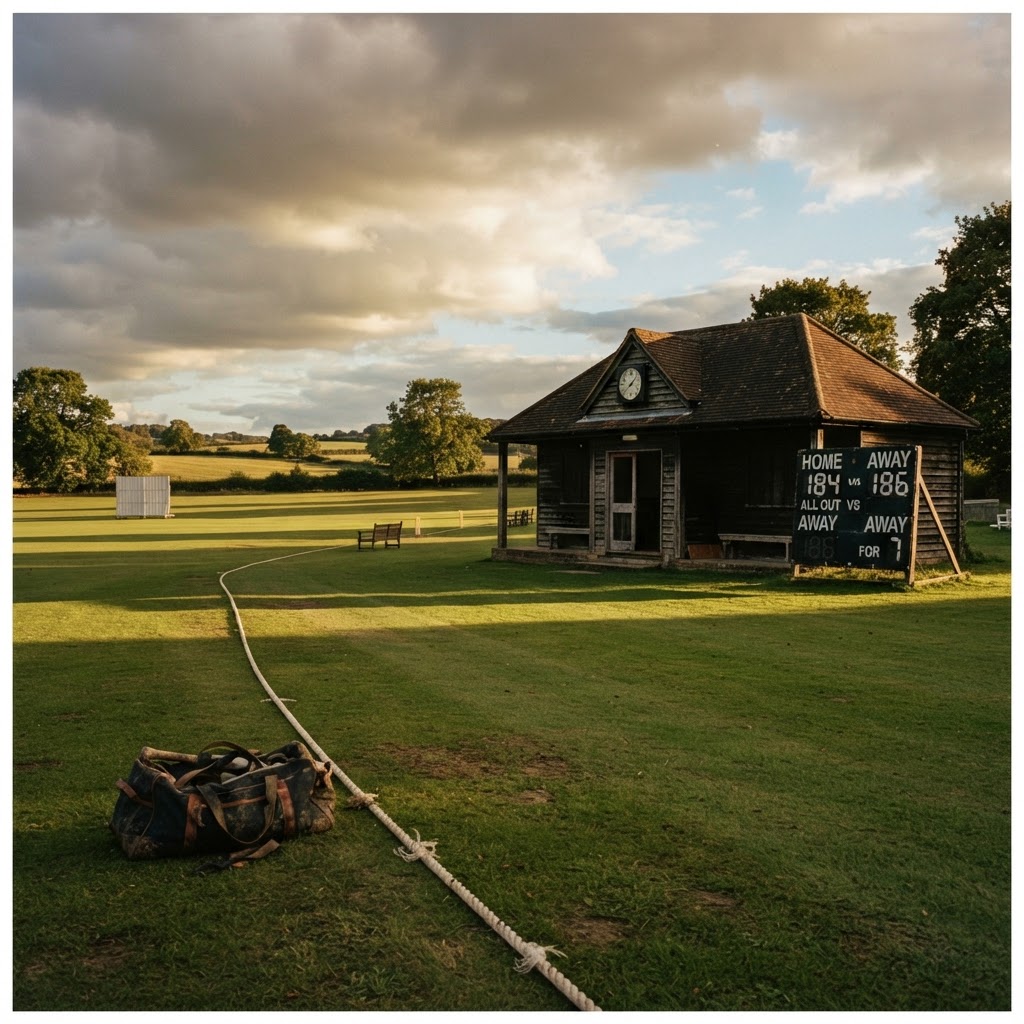
There is a particular kind of silence that exists only on a village cricket ground. Not the silence of emptiness, but the silence of something waiting. A roller sitting idle near the pavilion. A scoreboard showing two ducks from the weekend just passed. A boundary rope that has clearly been there since the 1980s, held together more by habit than any structural integrity. If you love cricket — truly love it, beyond the televised spectacle — then you know exactly what that silence feels like.
England is scattered with these grounds, hundreds of them, and each one tells a story that no Ashes series ever could. They are the reason the game exists here at all. Not the ECB, not Sky Sports, not the Hundred. Village cricket grounds. Bumpy, beloved, occasionally baffling in their dimensions, but absolutely irreplaceable.
This is not a ranked list. Cricket grounds don't work like that. Instead, this is a love letter to some of the finest, most characterful village and club grounds in Britain — and an argument for why they matter more than people realise.
What Makes A Village Cricket Ground Special
Before we get to specifics, it's worth asking what actually separates a great village ground from just a field with some stumps in it. Because the answer isn't as obvious as you'd think.
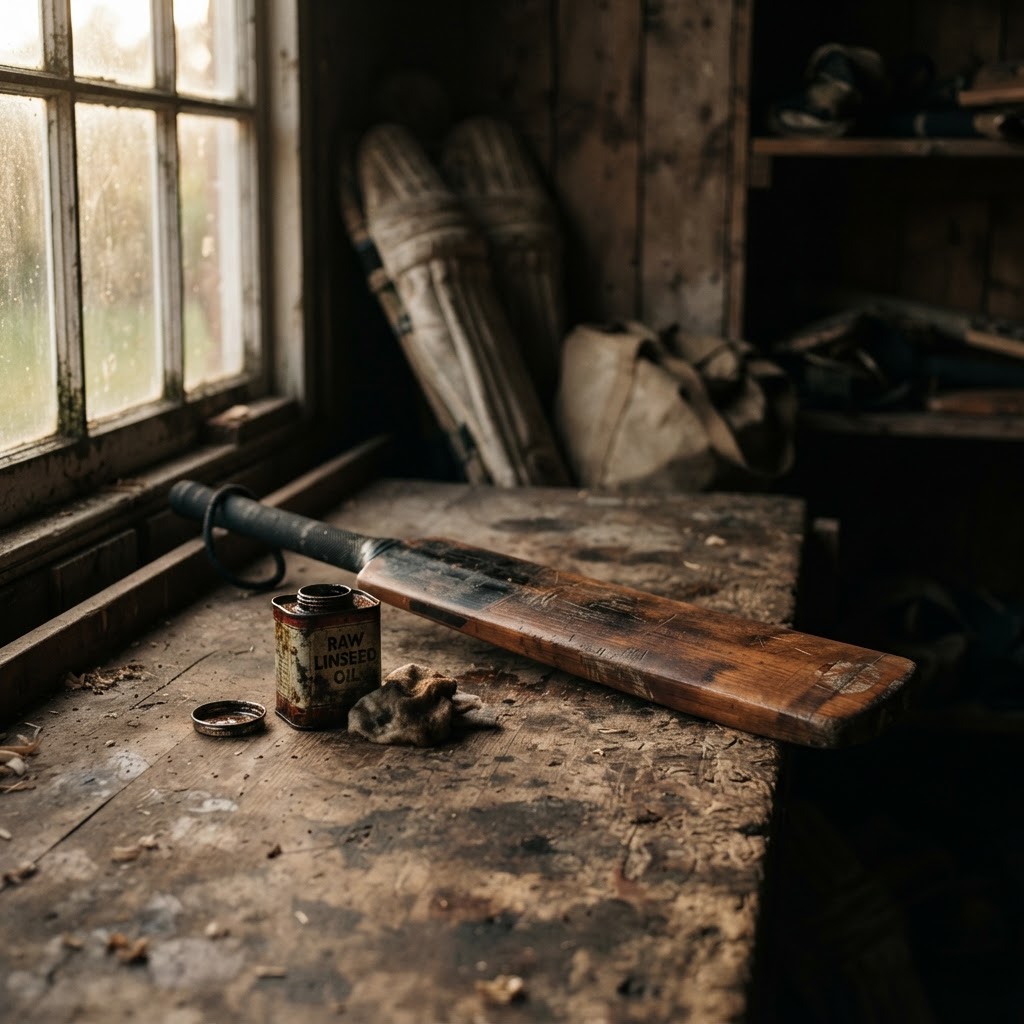
It's not the facilities. Some of the most beloved grounds in England have changing rooms that barely fit eleven people and a tea urn that predates decimalisation. It's not even the pitch, though a true village square with its unique bounce and occasional tractor rut has a character all of its own.
What makes a village ground special is its relationship with its surroundings. The ground and the landscape around it are inseparable. The church that looms behind the bowler's arm at one end. The pub that is close enough to the boundary that a generous six might clear its garden wall. The oak tree that has been inside the boundary for longer than anyone can remember and now simply counts as part of the playing conditions.
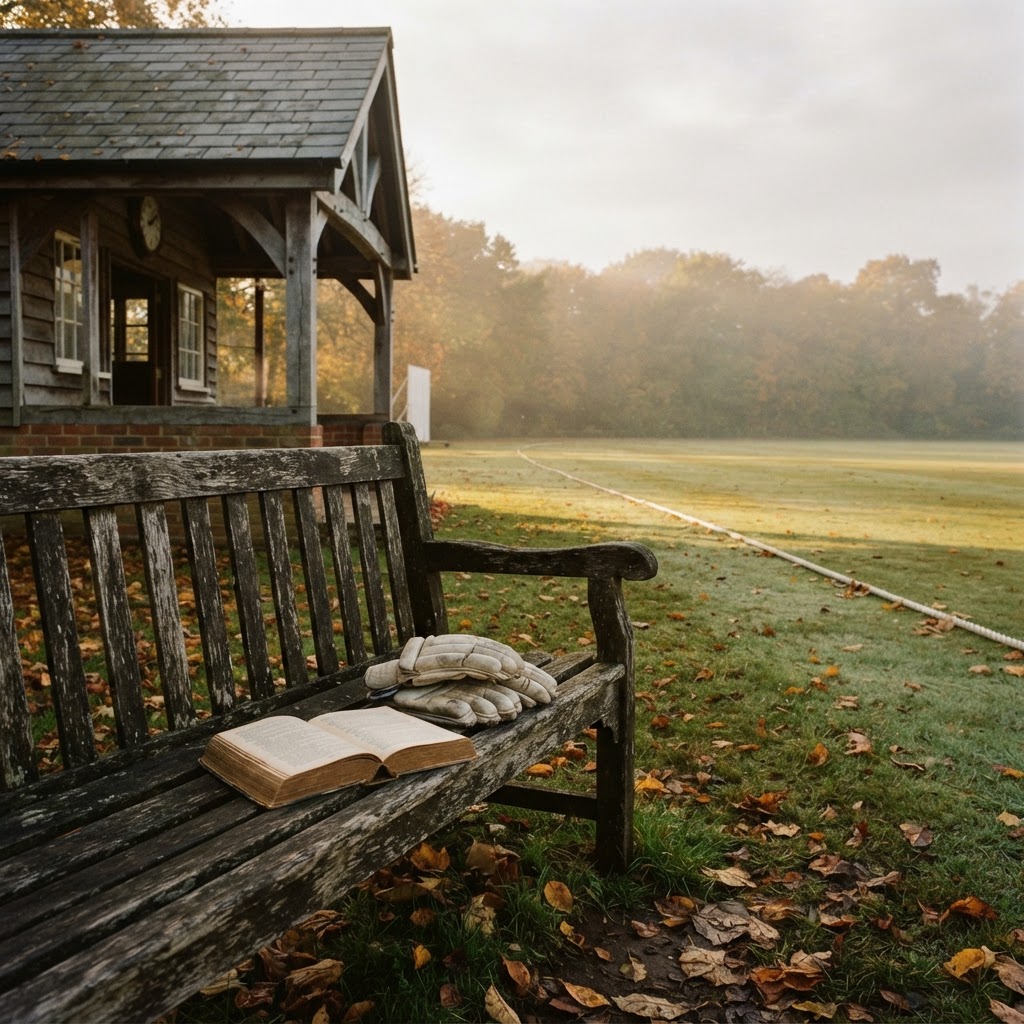
The best village grounds feel like they grew there. Like the game and the landscape made a quiet agreement, centuries ago, and have been keeping it ever since.
Broadhalfpenny Down, Hampshire — Where It All Began
If you're going to talk about village cricket grounds in Britain, you start here. Broadhalfpenny Down in Hampshire isn't just a great ground — it's the birthplace of organised cricket as we know it. The Hambledon Club played here in the 18th century, before Lord's existed, before county cricket existed, before most of what we think of as cricket had been codified. They were essentially inventing the game as they went.
The ground sits on a chalk downland ridge, exposed to the Hampshire wind, overlooked by the Bat and Ball pub which has been serving cricketers since the 1700s and continues to do so today. There is something genuinely moving about standing on this ground and understanding that nearly everything cricket became — the length of the pitch, the structure of the game, the culture around it — was being worked out here, on this exposed hilltop, by men who simply loved playing.
It's not a manicured venue. It's not trying to be anything other than what it is. And for that reason, it remains one of the most important cricket grounds on earth.
Lyndhurst Cricket Club, New Forest
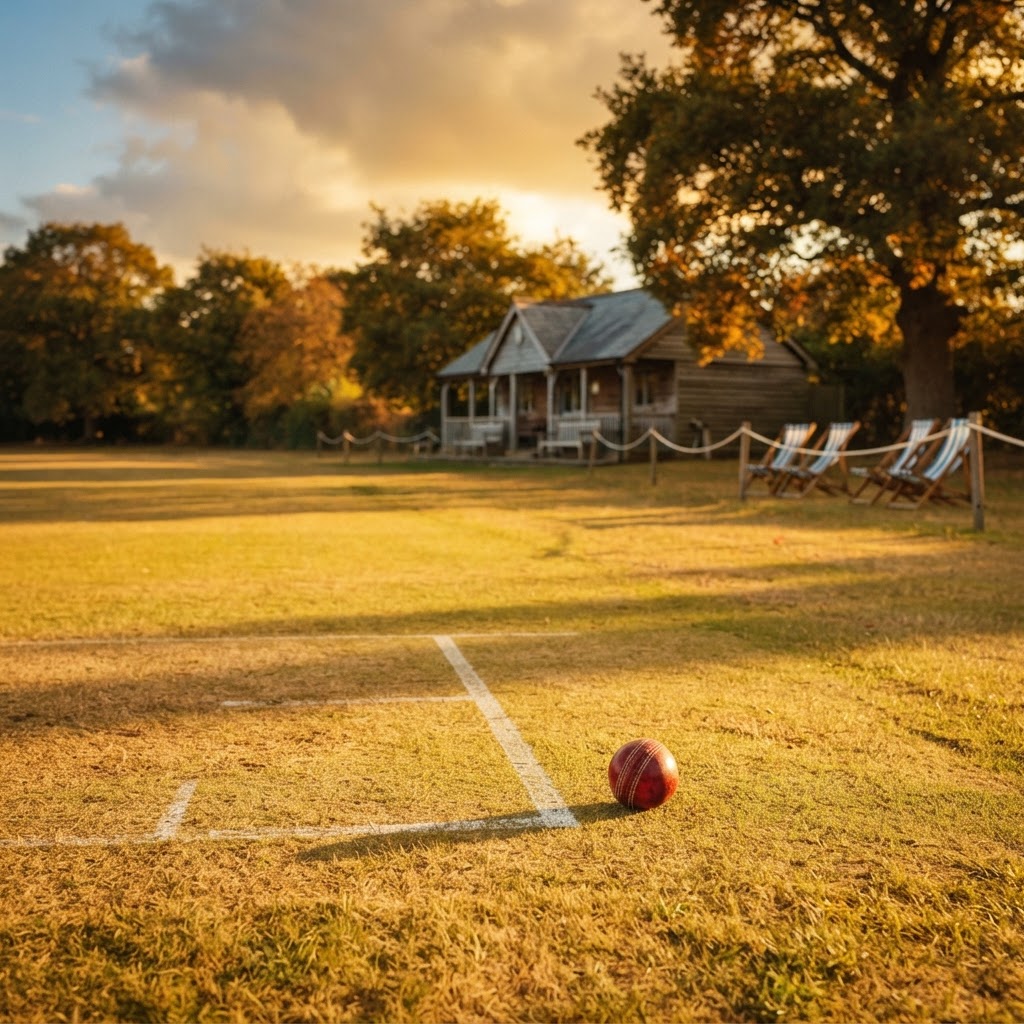
Deep in the New Forest, Lyndhurst Cricket Club plays on a ground that looks like a painting someone commissioned of an idealised English cricket scene. Ancient trees press against the boundary on multiple sides. Ponies — genuine New Forest ponies — occasionally wander into the outfield. The pavilion is small, wooden, and perfect.
Cricket here requires a specific kind of adaptability. The outfield isn't flat. The trees are in play in a way that makes fielding genuinely adventurous. And if a match goes deep into a summer evening, the light through the forest canopy creates something so atmospheric it seems almost unfair that only thirty people are watching.
This is the kind of ground that reminds you why fielding out on the boundary, miles from anywhere, is actually one of the finest places you can be on a Saturday afternoon.
Tilford Cricket Club, Surrey — The Iconic Village Green
Tilford is the quintessential English village cricket ground, and it knows it, and that's fine because it earns the reputation. The ground sits on a triangular village green beside the River Wey, with a medieval bridge at one end and the Barley Mow pub at the other. It looks, to be honest, slightly too perfect — like a location scout found it for a period drama and decided nothing could improve it.
But Tilford isn't a museum piece. Cricket has been played on this green for centuries, and the club remains active, maintaining the ground with the kind of obsessive pride that only club cricketers truly understand. The outfield is uneven in just the right way. The square is respected. The whole thing feels alive.
If you ever find yourself near Guildford in summer with nothing to do on a Saturday, go to Tilford. Watch some cricket. Sit by the river. Understand why this game has lasted.
Bamburgh Castle Cricket Club, Northumberland
Not all great village cricket grounds are in the south of England, and Bamburgh Castle Cricket Club exists as decisive proof of that. The ground sits in the shadow of Bamburgh Castle on the Northumberland coast, with views out across the North Sea on one side and the castle's medieval silhouette dominating the other. On a clear day you can see the Farne Islands from the boundary.
Cricket in this setting feels like a small act of defiance against the elements. The wind off the North Sea does extraordinary things to a cricket ball. Seam bowlers love it. Batters can find a perfectly normal delivery suddenly changing direction at an alarming rate. Playing here requires a certain stubbornness that feels entirely appropriate for English cricket.
This is also a ground that puts the game in proper historical context. People have been building things and living here for over a thousand years. Cricket is just one of the latest things to happen on this land, and it wears that perspective lightly.
Tissington Cricket Club, Derbyshire
Up on the limestone plateau of the Peak District, Tissington Cricket Club plays on what must be one of the highest village grounds in England. The village itself is one of the most attractive in the Peaks — all stone cottages and well-dressing traditions — and the cricket ground fits the setting exactly.
What makes Tissington remarkable is the straightforward impracticality of it. The ground is not really flat. The surface in summer is bone dry and hard, offering bounce that would alarm the best batters in the country. The backdrop of dry-stone walls and limestone dales is so thoroughly beautiful that it can genuinely distract you mid-delivery stride.
Derbyshire club cricket is serious business — this is a county that understands its cricket culture and takes the grassroots game with genuine weight. Tissington is a good example of why.
Why These Grounds Must Be Protected
Here is where the opinion needs to land clearly: village and club cricket grounds in Britain are under constant pressure, and most people outside the game don't realise it.
The threats are familiar. Development pressure on green belt land. Declining participation in rural communities. The rising costs of maintaining a ground to a standard that clubs can actually use. The slow withdrawal of local authority support. These are not abstract concerns — clubs close every year, and when a village cricket ground disappears, it usually disappears permanently. The land gets built on, or returned to agriculture, or repurposed. It almost never comes back.
The ECB's recreational cricket strategy acknowledges this problem, but acknowledgement and action are different things. The real protection of village cricket grounds comes from communities deciding they matter — from people showing up to watch, to play, to volunteer on a Saturday morning with a mower and no particular reward except that the outfield looks right.
This is what actual cricket culture looks like. Not the branding, not the franchise leagues, not the influencer partnerships. The groundsman dragging a roller before a game that forty people will watch. The scorer in the wooden hut. The tea being made by someone who has been making teas for this club for twenty years.
These grounds are the memory of English cricket. The first-class game, the international game — all of it grew out of this. Grounds like Broadhalfpenny Down didn't just host the early game; they invented the culture that eventually became everything else. Every county cricketer, every Test player who grew up in England, learned the game somewhere that looks more like Tilford or Tissington than it does Headingley or Lord's.
That origin matters. It shapes what cricket is. And it's worth protecting with the same passion we bring to watching it.
If you're someone who finds the soul of cricket not in the big stadiums but on a village green somewhere with a wonky boundary rope and a proper tea, the Deadbat tees collection was made with exactly that sensibility in mind. EXPLORE THE COLLECTION →