How To Store Your Cricket Gear Over Winter: The Right Way To End The Season
How should I store my cricket gear over winter?
The Season Is Over. Now The Real Work Begins.
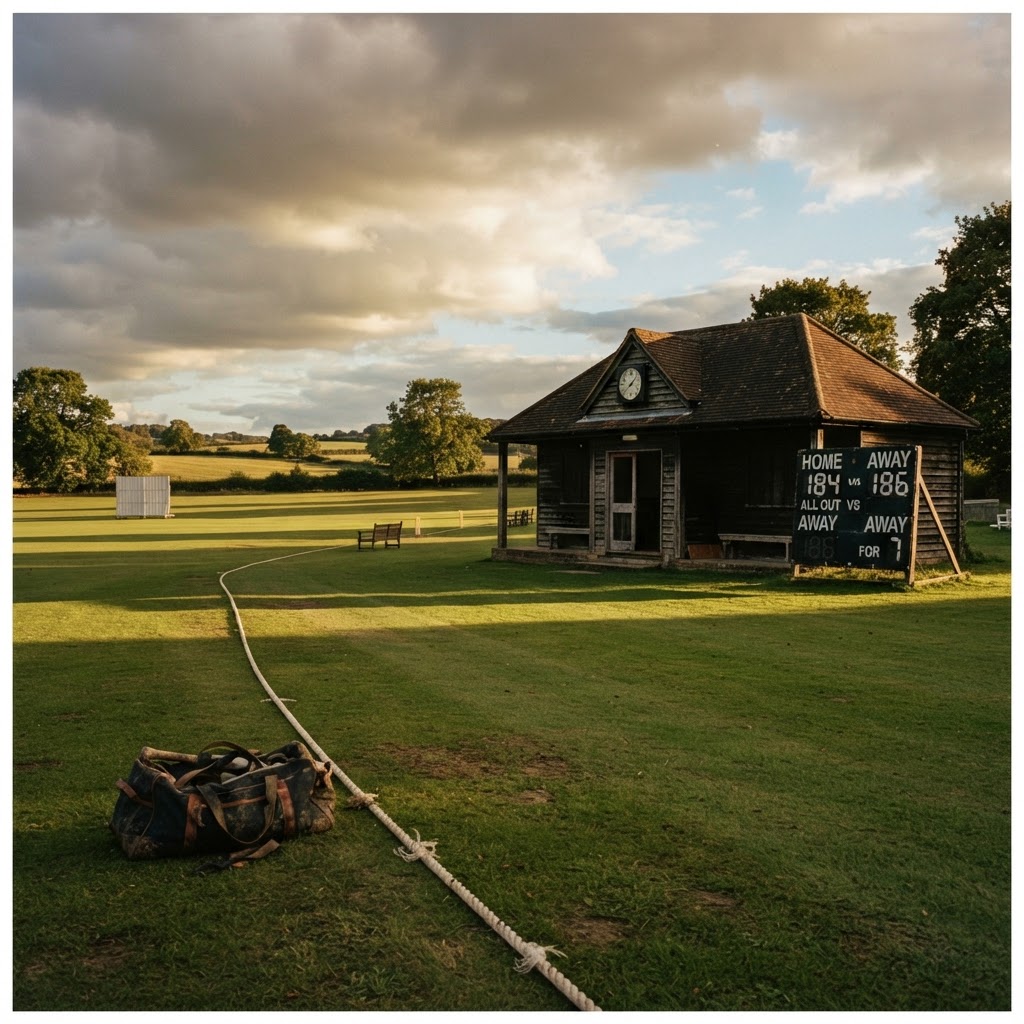
There's a particular kind of melancholy that arrives in October. The last fixture has been played, the final scorecard filed away, and the cricket bag — that faithful, battered companion — gets hauled into the garage, the loft, or the cupboard under the stairs. For a lot of cricketers, that's where the thinking stops.
But the way you treat your kit between now and April says a lot about how seriously you take the game. Proper winter storage isn't obsessive behaviour — it's respect. Respect for the equipment that's served you through a long season, and respect for the version of yourself that turns up to pre-season nets already one step ahead of the person who just chucked a mouldy bag under the stairs in November.
This isn't a sponsored gear guide. It's a straightforward, honest look at how cricket players should be looking after their equipment when the season ends — because most of us were never properly taught, and the habits we pick up in our teens tend to stick for decades.
Your Cricket Bat Deserves Better Than A Cold Garage
A cricket bat is not a piece of sports equipment in the same way a tennis racket or a squash racket is. It's a natural material — English willow or Kashmir willow — and it responds to its environment in ways that plastic and composite materials simply don't. Leave a bat in a cold, damp garage all winter and you will pay for it come April.
The first thing to do at the end of the season is give your bat a proper inspection. Check the edges for cracks that may have opened up during the season. Small surface cracks along the grain are usually nothing to worry about — that's just the nature of willow. But cracks running across the grain, or splits developing near the toe or around the splice, need attention before the bat goes into storage.
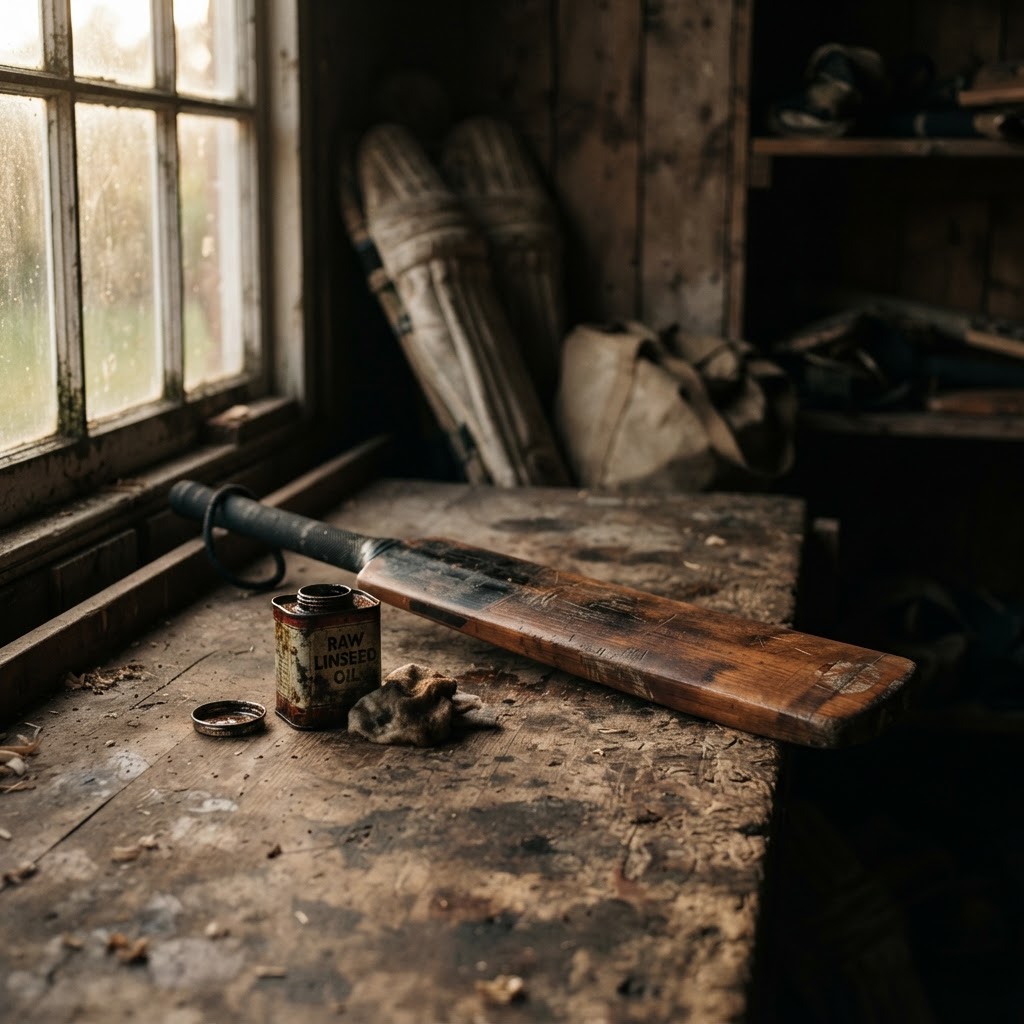
Once you've checked for damage, the bat needs a light reoiling. Use raw linseed oil — nothing else. Apply a thin coat to the face, edges, and toe. The back of the bat needs far less oil; some people barely oil the back at all. Let it soak in horizontally, flat on a surface, for at least 24 hours before repeating. Two light coats is usually enough for winter storage. You're not waterproofing a boat — you're just keeping the moisture content stable so the wood doesn't dry out and become brittle.
Then store it somewhere with a stable temperature. Not a garage that freezes in January and swelters in July. A wardrobe, under a bed, or in a kit room that stays reasonably consistent is ideal. Wrap it loosely if you like — an old towel works — but avoid airtight wrapping that traps moisture.
Pads, Gloves, And The Things We Never Clean
Let's be honest. Most cricket pads go into a bag in September smelling of sweat, damp, and mild despair, and come out in April smelling of the same. It's almost a tradition. But it doesn't have to be.
Before storing pads, wipe them down with a damp cloth to remove surface dirt. Let them air dry completely — and this is critical — completely before putting them away. Moisture trapped in the cane and padding of cricket pads over a long winter is how you get mould, and once that sets in, no amount of airing will fully fix it. Buckles and velcro straps should be done up loosely so the pads hold their shape, and they're best stored standing upright rather than rolled or folded.
Gloves are even more prone to the consequences of neglect. The leather or synthetic palm areas of batting gloves can stiffen and crack if they dry out badly over winter. A small amount of leather conditioner applied to the palm before storage will make a meaningful difference to how the gloves feel when you pick them up again in March.
Helmets should be inspected carefully. The grill in particular — check for cracks, warping, or any damage to the fixings. A damaged helmet isn't just worn-out equipment; it's a safety issue. The ECB recommends replacing helmets that have taken a significant impact, and winter is the right time to make that assessment rather than in a frantic pre-season rush.
Cricket Whites: How To Store Them Properly
Cricket whites are one of the game's great symbols. There's something about pulling on a clean set of whites for the first time each season that nothing else in sport really replicates. But getting them out in April to find them yellowed, creased into oblivion, or carrying a mildew smell because they were put away slightly damp — that is a uniquely miserable experience.
Wash your whites before storing them. This sounds obvious, but plenty of players put their kit away with one more game's worth of grass stains still on the knee, assuming they'll deal with it in spring. Stains that have set for six months are significantly harder to shift than stains dealt with in October.
When washing cricket whites, avoid high temperatures that can cause shrinkage, and be cautious with bleach — it can weaken fibres and cause whites to yellow over time with repeated use. There are specific cricket white detergents and whiteners available that do a gentler, more effective job.
Once clean and fully dry, fold them properly and store in a cool, dry place. A drawer or a sealed storage box is better than a bag. Keep them away from direct sunlight, which causes yellowing, and away from anything that might transfer colour to them. Your cricket whites spent the whole season getting muddy — give them a winter with a bit of dignity.
The Cricket Bag Itself
The bag is the thing everyone forgets. It carries everything, absorbs the worst of the abuse, and typically gets stuffed into storage with whatever mess it accumulated over the summer still inside. Spent juice bottles, crumpled scorecards, a single batting glove with no partner — the cricket bag contains multitudes.
Empty it completely. Every pocket. Every compartment. Air it out for a day or two before storing. If there's any genuine smell or mildew, a light spray of antibacterial fabric freshener and another airing will usually sort it. Check the zips and straps — these are the parts that fail first, and it's much easier to get a zip repaired or a strap replaced in October than in a panicked pre-season week when nets start and everything needs to be functional.
Store the bag open, or at least unzipped, if possible. Keeping it sealed for months traps whatever air — and whatever smell — was in there when you closed it.
Why This All Matters More Than It Sounds
There's a case to be made that how a cricketer looks after their gear in the off-season reflects how they approach the game itself. Not in some rigid, superstitious way — but in the sense that the players who care about the details tend to be the players who care about getting better.
Good kit, properly maintained, performs better and lasts longer. A bat that's been oiled and stored correctly will have a better season than one that spent winter in a freezing shed. Pads that have been cleaned and stored properly are more comfortable and more protective. Whites that have been washed and stored carefully look better on the field — and looking right in cricket has always mattered, whether people admit it or not.
Beyond the practical, there's something about the ritual of end-of-season kit care that marks the close of one chapter and the beginning of the next. It's a quiet acknowledgement that the season is done, that it was worth something, and that you're already thinking about the next one. October kit care is, in its own small way, an act of optimism.
The covers are on. The scorebooks are filed. The kit is cleaned, oiled, and stored. Now you can actually enjoy the winter — until the first net session email arrives and everything starts again.
If you're the kind of cricketer who cares about the details — the ones who oil their bat before it goes away and fold their whites properly — the Deadbat hoodie collection was made with that same mindset. Quality materials, considered design, and built to last well beyond a single season. EXPLORE THE COLLECTION →