The Art of the Cricket Tour: Why Travelling With Your Club Changes Everything
Why do cricket clubs go on tour?
The Moment You Step Off the Coach
You have not truly understood cricket until you have arrived somewhere you have never been, kit bag over your shoulder, not entirely sure where the ground is, and already three hours into a journey that was supposed to take two. The motorway services coffee is still in your hand. Someone in the back of the coach has already started the playlist nobody agreed on. The captain is pretending to look calm.
This is the cricket tour. And it is one of the most important traditions the sport has ever produced.
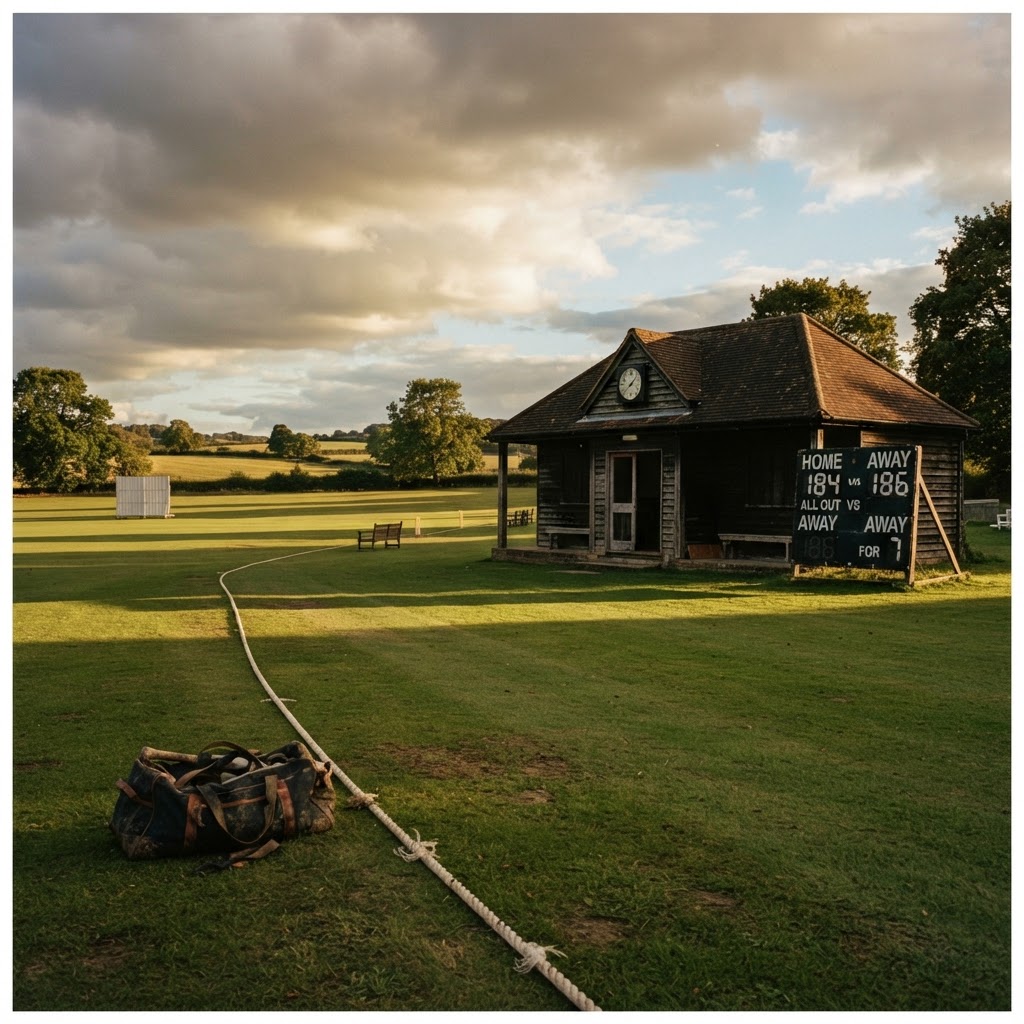
Tours exist at every level of the game. England travel to Australia for the Ashes. County sides make pre-season trips to Dubai or Barbados. But somewhere in the conversation about professional cricket's grand expeditions, the club tour gets overlooked. That is a mistake. Because the club cricket tour — a dozen or so players, a minibus or two, a fixture list printed on A4 — is where something genuinely irreplaceable happens.
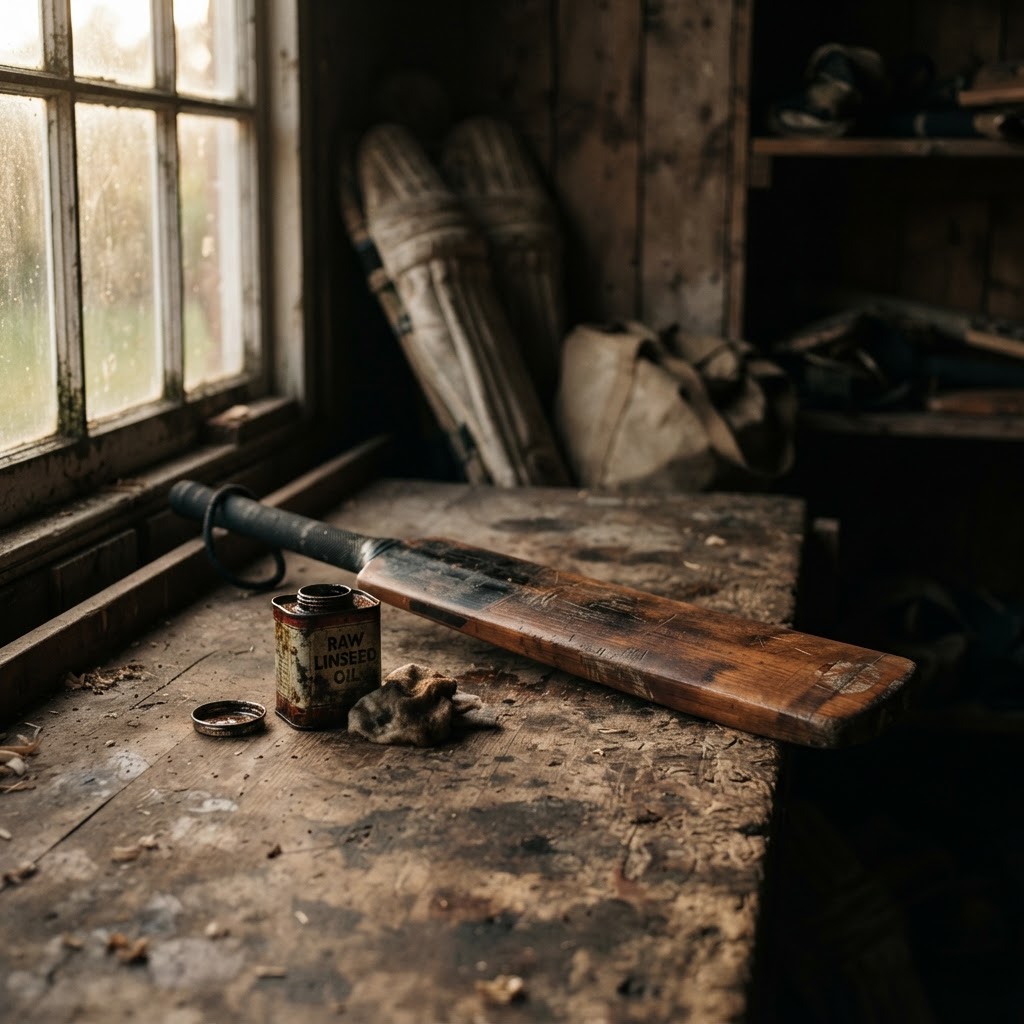
October is when many clubs are already thinking about next summer's tour. The season has just ended, the kit is being packed away, and the group chat is already alive with destination suggestions, arguments about budget, and at least one person who swears they are definitely coming this time. It is the right moment to talk about what touring actually means.
Why Tours Exist at All
The professional game has always understood the value of touring. In the nineteenth century, English sides toured Australia not merely to play cricket but to spread it, to test themselves against unknown opposition in unknown conditions, to see what the game looked like on the other side of the world. Those early tours were extraordinary undertakings — months at sea, pitches nothing like anything the players had seen, hospitality that ranged from lavish to baffling.
What drove them was curiosity. The desire to play cricket somewhere different, against people who played it differently, and come back changed by the experience.
Club tours carry the same spirit, even if the journey is a budget flight to Amsterdam or a long weekend in the west of Ireland rather than six months on a steamship. The motivation is the same: get out of your comfort zone, play cricket somewhere unfamiliar, and see what the game teaches you when the usual props are removed.
At home, club cricket carries weight. Results matter. There are league positions, relegation fears, personal form, politics. On tour, most of that falls away. You are playing against strangers who are just happy to have a game, on a ground you will probably never see again, with a team that suddenly feels less like a selection headache and more like a group of people who genuinely like each other.
What the Game Looks Like Without the Stakes
One of the quiet revelations of the cricket tour is what happens to the cricket itself when nobody is particularly fussed about the result. Players relax. The bloke who normally freezes at number six starts playing shots nobody knew he had. The fast bowler who usually runs in like he has something to prove bowls with rhythm and a smile. Captaincy becomes less about tactics and more about making sure everyone gets a bowl.
This is not worse cricket. It is often better cricket, or at least more honest cricket. It is the version of the game that reminds you why you started playing in the first place.
There is a particular kind of innings that happens on tour that almost never happens in the league season — the one where you are batting with someone you barely know from your own side, communication is half-gestures and instinct, and somehow you put on sixty together that neither of you can fully explain afterwards. That partnership will be talked about for years. The scorebook will eventually be lost but the story will survive.
Tours also have a habit of revealing cricketers you did not know were in your squad. The quiet accountant who opens the batting in every tour game with complete serenity. The young keeper who, freed from the nerves of first-team selection back home, suddenly looks like a different player. Away from the familiar hierarchy of the home club, people find different versions of themselves.
The Opposition You Only Meet on Tour
Something should be said about the people you play against on a cricket tour, because they are often the best part of it.
Tour opposition tends to fall into a few recognisable types. There is the friendly village side that has clearly been playing together for thirty years, knows every bump in the outfield, and will cheerfully destroy your batting lineup before buying you dinner. There is the wandering side made entirely of ex-county players who are touring themselves and who you somehow find yourself playing on a neutral ground in the middle of nowhere. There is the overseas club that plays the game in a completely different style and makes you realise how many assumptions you have been carrying about how cricket is supposed to look.
All of these encounters expand what you know about cricket. Not technically, necessarily, but culturally. You start to understand that the game belongs to everyone who plays it, and that it looks and feels different in every corner of the world it has touched.
The post-match beer with opposition you will probably never see again is one of cricket's underrated rituals. There is a particular kind of conversation that happens in those circumstances — honest, generous, unhurried — that does not happen as easily in the league season, where next week's fixture is always hovering in the background.
The Stories That Last Longer Than Any Result
Here is the thing about cricket tours: nobody remembers the scorecard. This is a fact that the game's statisticians might find uncomfortable but which any touring cricketer will confirm immediately.
What gets remembered is the taxi driver who turned out to have played first-class cricket for a country nobody could immediately place. The ground that turned out to be in someone's actual garden. The innings that was interrupted by a dog. The evening that started as a quiet dinner and ended somewhere nobody can quite reconstruct. The legendary knock by a player who was carrying an injury so obvious it had to be ignored.
These stories become part of a club's identity. They get told at end-of-season dinners, referenced in speeches, passed down to players who joined years later. A club without tour stories is a club that has missed something. The stories are not incidental to the tour — they are the point of it.
This is what professional cricket often struggles to replicate, despite its grander stage. The Ashes has its moments of legend, obviously. But the professional cricketer tours with performance pressure, with scrutiny, with the knowledge that this is their livelihood and their place in the team is not guaranteed. The club tourist tours with nothing to prove and no reason not to enjoy every moment of it.
October, and the Planning That Feels Like Cricket Itself
There is something fitting about the fact that tour planning happens in October, when the season has just closed and the grounds are going quiet. It is a form of anticipation that carries you through the winter. The debate about where to go, who is available, what the budget looks like, whether to try somewhere entirely new or return to a place that worked well last time — all of it is a way of staying connected to cricket when cricket is not there.
The planning is part of the ritual. The spreadsheet that someone creates and nobody else updates. The WhatsApp poll that produces a clear result that three people immediately contest. The optimistic roster of available players that will quietly shrink by about thirty percent as the date approaches.
All of this is cricket, in its way. The game is not only the hours spent on the field. It is the community that surrounds those hours, the planning and the arguing and the looking forward, the shared investment in something that exists mostly for the love of it.
If your club is not touring, it is worth asking why. The logistics are real, the cost is not nothing, and life gets in the way. But the tour is one of the few things that a cricket club can do which has no equivalent anywhere else. No amount of net sessions or social events replicates what happens when you take a group of cricketers away from home and give them a few days to just play the game.
Book something. Anywhere. You will not regret it.
If you wear your cricket with the same kind of pride that comes from years of shared dressing rooms and long journeys to away grounds, our hoodie range was built with exactly that feeling in mind — something you reach for when the season ends but the cricket never quite does. EXPLORE THE COLLECTION →