Why The End Of The Cricket Season Hits Different Every Year
Why does the end of the cricket season feel so significant?
That Last Saturday In October
You know the feeling. You're pulling on an extra layer before heading to the ground, the sky is doing that thing where it can't decide between pale blue and battleship grey, and someone in the dressing room says it out loud — "think this might be the last one for the year." And just like that, the whole session carries a different weight.
There's no other sport quite like cricket for the way its seasons end. Football just rolls into the next one. Rugby barely pauses. But cricket has a proper conclusion, a full stop, a drawing of curtains that feels almost theatrical. The outfield starts to soften. The ball swings more than it should. The tea is somehow better. And everyone who loves the game knows, somewhere in the back of their mind, that they're playing on borrowed time.
The end of the cricket season isn't just a date on the calendar. It's a ritual. A feeling. A small grief that serious cricketers carry every October, and a quiet joy that gets stored away like the bat in the cupboard under the stairs — waiting, patient, for April to come around again.
The Weight Of The Final Game
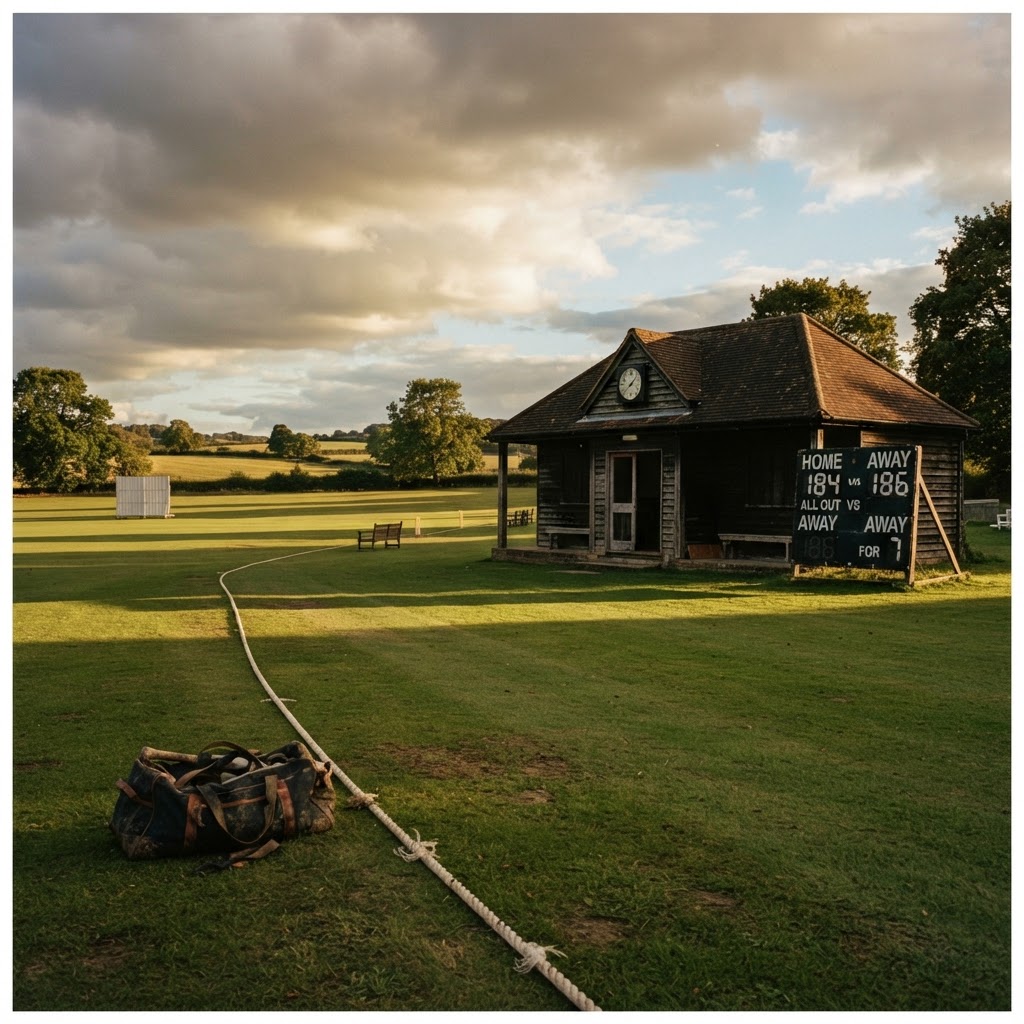
Ask any club cricketer about their last game of the season and watch their face change. They might not even remember who won. They probably can't tell you the score. But they'll remember the light. They'll remember who made the tea. They'll remember the walk back to the pavilion at the end of play when everyone lingered a bit longer than usual, not quite ready to say it.
There's something about the finality of a last match that makes every moment feel slightly more deliberate. A boundary hit in September carries a different emotional charge to one hit in June. You're not just scoring runs anymore — you're storing them. Banking them against the long winter months when the closest you'll get to cricket is watching old highlights on YouTube at half eleven on a Tuesday.
The final game of the season is also, quietly, a reckoning. You review yourself in a way you don't mid-season. Did you make the most of it? Did you take those catching practice sessions seriously enough? Did you ever fix that technical issue the skipper mentioned back in May? The end of the season forces a kind of honest audit that the relentless schedule of summer never quite allows.
Test Cricket's October Curtain
At the professional level, October has its own particular texture too. The County Championship wraps up, Division One and Two settled, promotions and relegations confirmed, and somewhere there are conversations happening in committee rooms that will shape careers. Young players waiting to hear if they've made an impression. Veterans wondering quietly if this was the last one.
The England red ball summer draws to a close and the game shifts. The international calendar sends teams to warmer places — Australia, South Africa, the subcontinent — and those of us in Britain transition into the role of watchers. Early alarms, phones under pillows, commentary playing softly while the rest of the house sleeps. It's a different kind of cricket following, but it keeps the thread alive through the cold months.
There's also something quietly bittersweet about watching county cricket's final rounds. The County Championship in its September and October stages is some of the most compelling red ball cricket of the year, played in front of small but devoted crowds who understand exactly what they're seeing. These are cricket's truest fans — the ones who turn up to Championship cricket on a Wednesday because they genuinely love the game and need nothing more from it than the game itself.
What You Do With The Gear
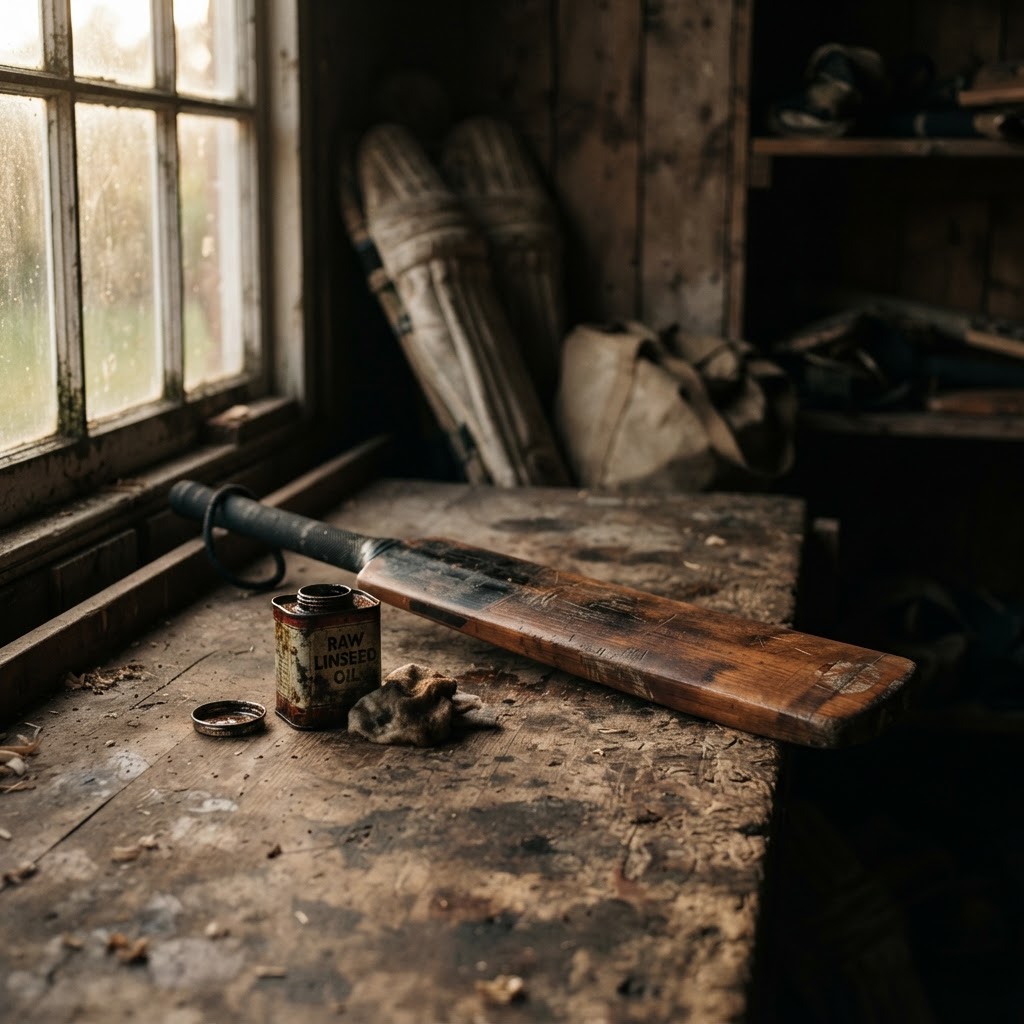
October is also when the cricket equipment rituals begin, and anyone who has ever played the game properly will know exactly what these involve. The bat comes out of the bag and gets inspected like a returning soldier. Knocks, cracks, the wear patterns on the face that tell the story of a whole summer — every mark a memory if you care to read them.
Proper cricketers don't just throw their gear in a bag and forget about it until March. There's a way to see a season out that respects what the equipment has been through. The bat gets cleaned, oiled lightly, and stored somewhere with consistent temperature — not a cold garage, not a hot loft. The pads get dried out properly. The gloves aired. The whites washed and folded, not stuffed damp into a kit bag that won't be opened until spring.
This is care that goes beyond maintenance. It's a kind of gratitude. The gear served you. It was there when you middled one straight back past the bowler, when you dropped that catch at gully that still stings, when you bowled that spell in the rain that nobody else quite appreciated at the time. Putting it away properly is a small act of respect — for the equipment, for the season, for the game itself.
The Long Argument About Where The Season Should Actually End
Here's an opinion that will divide people at club level: the cricket season ends too early. Or rather — it doesn't have to end when it does, and in some places it doesn't. There are leagues in the south of England that push into October, and the cricket played in those conditions is often extraordinary. Low bounce, dramatic swing, heavy outfields, the ball getting soft quickly — it's a completely different game to June cricket and in its own way it's just as interesting.
The counterargument is that cricket needs winter. That the fallow months are part of the sport's rhythm. That if you played all year round you'd lose the particular joy of the first net session in March, the smell of linseed oil, the slight shock of how hard the ball feels after months away. There's something in this. The absence is part of what makes the return feel like a homecoming rather than just another Tuesday.
But the real debate is a deeper one — about what cricket is for. If it's purely performance, then sure, optimise the season length, tweak the schedule, find every available week. But if cricket is partly ritual, partly tradition, partly a thing that marks time in a life — then the end of the season matters just as much as the start of it. The closing is as important as the opening.
What October Actually Gives You
Once the initial melancholy passes — and it does pass, usually around the time you find yourself watching old Ashes footage on the sofa with a cup of tea — October becomes something else. A month for thinking about cricket in a different way. Reading about it rather than playing it. Watching rather than doing.
This is when the cricket books come off the shelf. When you finally listen to that podcast episode you bookmarked in July. When you start looking at pre-season tour options for next year, booking flights with a quiet optimism that feels distinctly cricket in character. The planning is its own pleasure. The anticipation of April in October is one of cricket's stranger and more wonderful gifts.
October is also when cricket friendships are tested and found solid. The Sunday morning warm-ups are gone. The post-match pints have dried up. What's left are the people who text anyway, who want to talk about cricket for its own sake, not just because they're going to see you at the ground next weekend. These are your real cricket people — and there's no better way to find them than a long English winter.
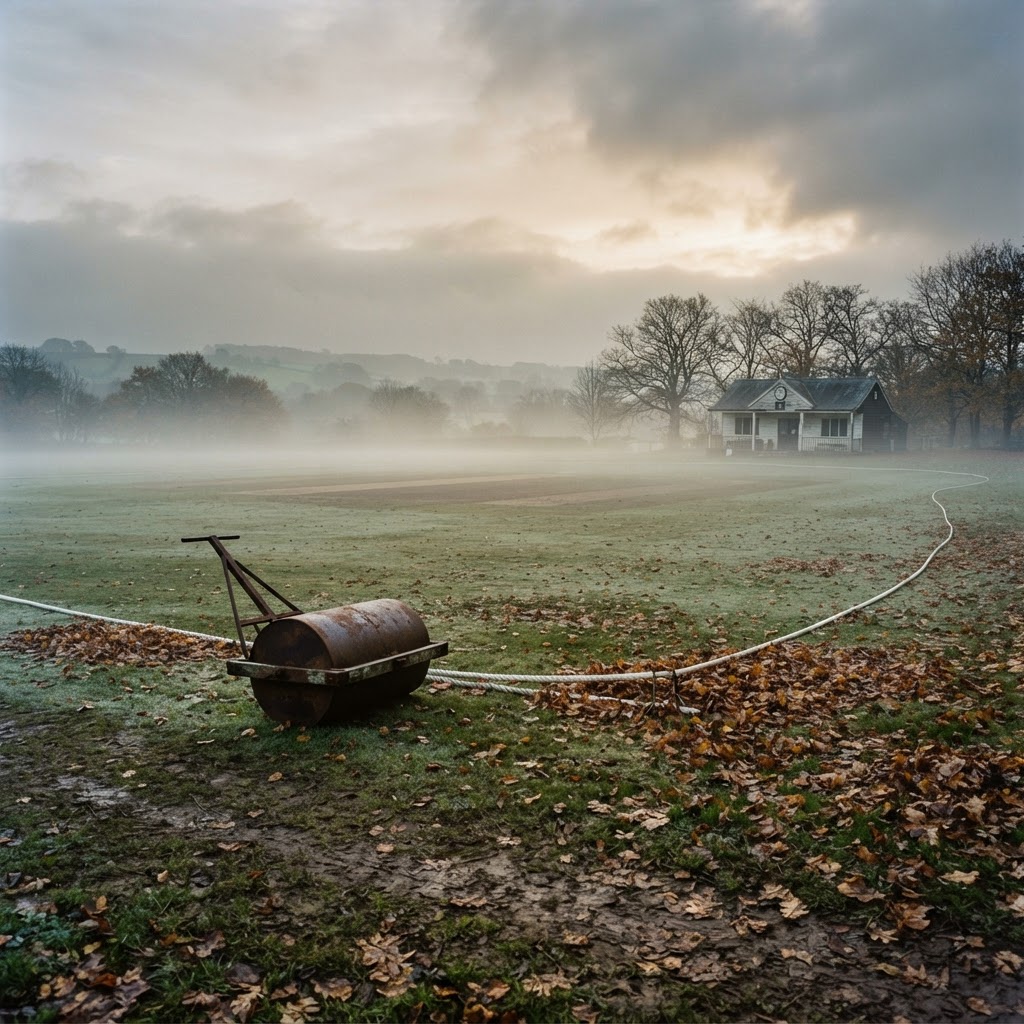
The season ends. The covers go on. The ground staff drag the boundary boards in for the last time and the square gets roped off for the winter. And somewhere in all of that is a promise — quiet, unhurried, completely certain — that it will all come back. Different players, different results, the same game. The same ritual. The same particular joy.
That's what cricket does. It ends, and it waits, and it comes back. And every April, that feels like a miracle.
If you're someone who carries cricket with you through the winter — the kind of fan who thinks about the game even when there's no game to watch — the Deadbat hoodie range was made for exactly that. Wear the culture all year round, not just when the covers are off. EXPLORE THE COLLECTION →