Why Club Cricket Is The Beating Heart Of The Game
Why is club cricket important to the game?
The Ground The Professionals Forgot
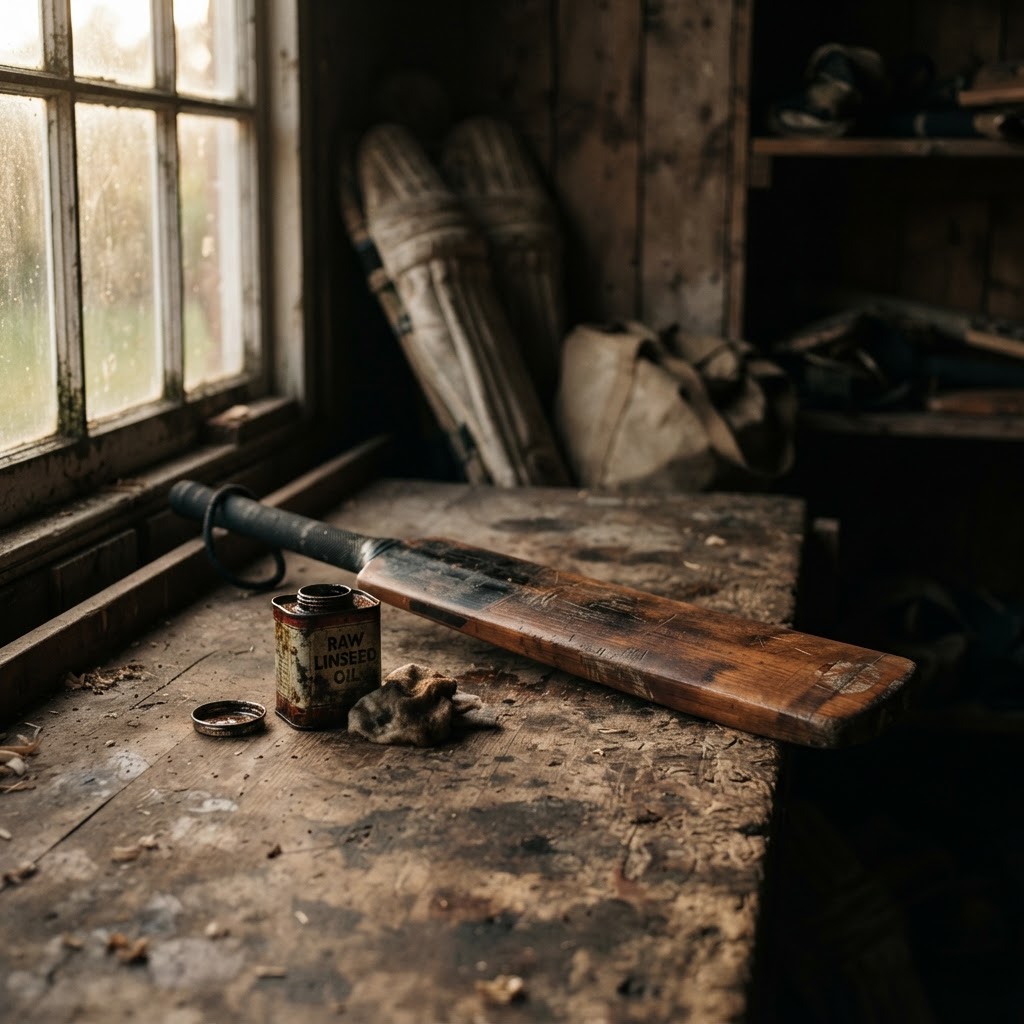
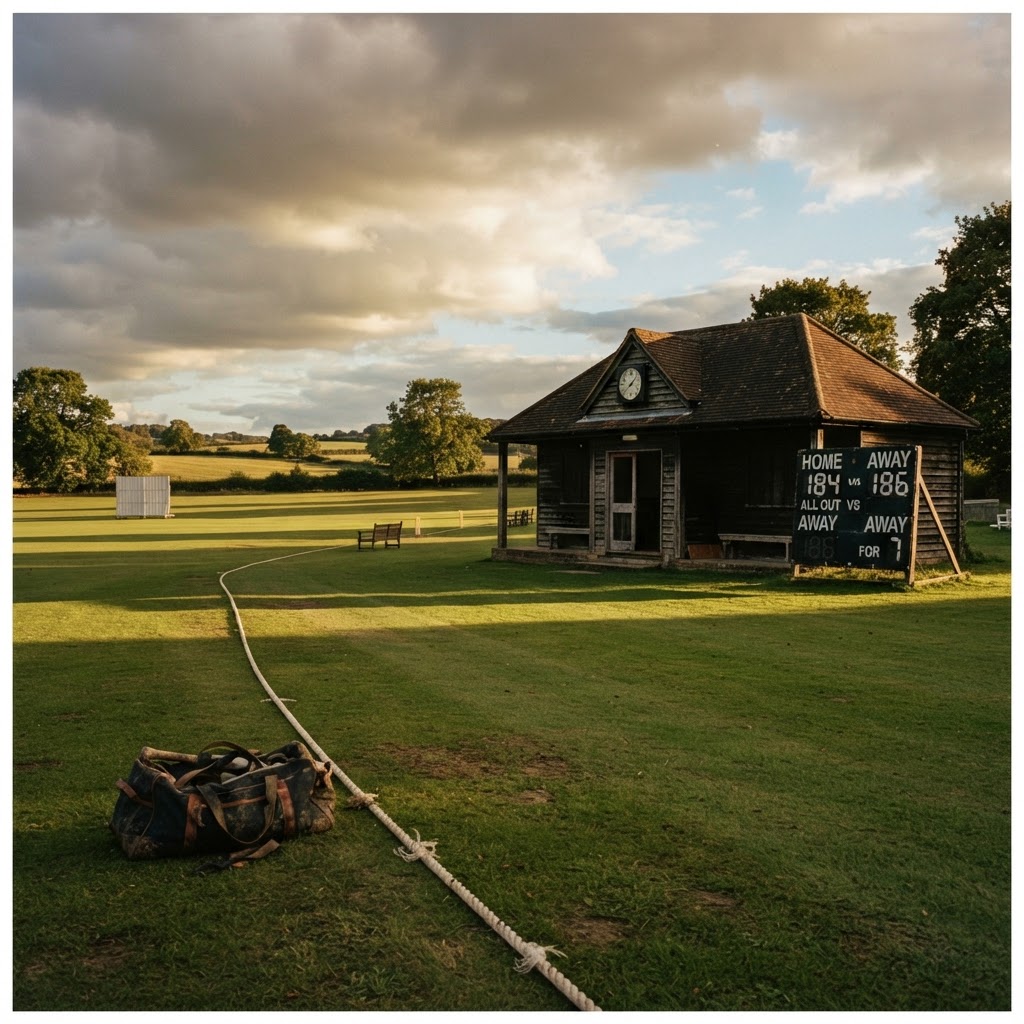
There is a ground about three miles from where I grew up. No floodlights. No Hawkeye. No third umpire reviewing an edge to the keeper in slow motion. Just a roller that takes four people to operate, a scoreboard that still uses tin numbers on hooks, and a pavilion that smells permanently of linseed oil and instant coffee.
I have watched international cricket at Lord's. I have been to The Oval on a packed August afternoon when the noise was something physical. And I am telling you, without any irony, that neither experience has ever matched the feeling of walking through the gate of that club on a Saturday afternoon in late summer.
This is where cricket actually lives. Not in the boardrooms of the ECB, not in the franchise auctions, not even on the county circuit, where the season's final rounds are currently being played out with genuine drama. Club cricket — Saturday league cricket, midweek friendlies, village ground cricket, park cricket — is the true home of the game. It is where most of us fell in love with it, and it is where most of us, players and spectators alike, keep coming back.
What County Cricket Owes To The Clubs
Every cricketer who has ever pulled on a county cap started somewhere much smaller. Before the academies, before the talent pathways and the performance centres, there were club nets in February, frozen fingers on cold mornings, and a coach who had never played beyond club level but who could spot a flaw in a backlift faster than any analyst with a tablet.
The relationship between club cricket and the professional game is one the professional game has not always honoured. County cricket has spent years handwringing over participation numbers, lamenting the drop in recreational players, and wondering why fewer children are picking up a bat. The answer is not complicated. When the game at the top becomes unrecognisable to the people playing it in the parks and on the village greens, you lose the thread that connects them.
That thread is the culture. The rituals. The language. The feeling that what you are doing on a Saturday afternoon belongs to the same tradition as what you watched on television during a Lord's Test. Club cricket is what maintains that continuity. It is where the game replenishes itself.
And right now, as the county championship enters its final rounds and promotion and relegation places are settled, there is a nice symmetry in the fact that those same stakes — real stakes, games that matter — exist every weekend at club level too. The league table does not lie at any level of the game.
The Rituals That Make It Irreplaceable
Ask anyone who has played club cricket about their memories and they will not lead with a century or a five-wicket haul. They will tell you about the tea.
Cricket tea is an institution that defies rational explanation to anyone who has not experienced it. Sandwiches that were made three hours ago, slightly warm sausage rolls, cake that somehow arrives in industrial quantities regardless of the size of the club — it is not fine dining. It is not meant to be. It is a ritual, and rituals derive their power not from their content but from their repetition and their belonging.
The tea interval at a club match is twenty minutes of complete equality. The opening bat who made sixty is sitting next to the number eleven who has not faced a ball. The fast bowler who took three wickets in the first session is grateful for a cup of tea and a piece of Victoria sponge just like everyone else. Cricket tea is democracy in action, and no other sport has anything like it.
Beyond the tea, there are other rituals that bind club cricket together. The toss conducted with excessive ceremony for a game where forty people will be watching. The opening bowler who takes forever to mark his run-up despite the fact that he has bowled off the same twelve paces for thirty years. The fielding positions debated with the intensity of a Test captain despite the opposition scoring at four an over. These are not inefficiencies. They are traditions, and they matter.
September And The Weight Of The Final Weekend
September is when club cricket reveals its full emotional range. The county season is winding down and the league tables are settling into their final shape. Promotion, relegation, cup finals, title deciders — the last few weekends of the club season carry a weight that is entirely disproportionate to what is happening on the pitch by any objective measure, and entirely proportionate to what it means to the people involved.
I have seen grown adults reduced to genuine anguish by a last-wicket run out that cost their side promotion. I have watched a club captain give a post-match speech after winning a divisional title that was more emotionally raw than anything you will see at a press conference after a major tournament. The stakes are real because the community is real.
This is something the game's administrators have occasionally struggled to understand. The push towards T20 franchise cricket, towards the Hundred and its city-based franchises, is partly an attempt to build new communities around the game. Which is a legitimate ambition. But those communities take generations to build, and the communities that already exist — the ones built around club grounds and league tables and September survival battles — deserve to be protected and celebrated with at least equal energy.
The end of the club season is not just the end of a competition. For many players, particularly older ones, it carries the unspoken question of whether they will still be playing next year. Form declines before fitness does. Fitness declines before the desire. And the desire, for the people who genuinely love the game, almost never goes. That tension — still wanting to play, wondering how long you can — is one of the most quietly human things about club cricket.
The Social Architecture Of A Cricket Club
A cricket club is one of the more unusual social structures that British life has produced. It is simultaneously a sporting organisation, a social club, a community institution, and a vehicle for transmitting values across generations.
The culture of a cricket club is largely set by its senior players — not always the best players, but the ones who have been there longest. They carry the history. They know which parts of the outfield are reliable and which will betray you. They remember the seasons when things went wrong and the seasons when everything clicked. And, crucially, they transmit this to younger players, not through formal instruction but through proximity and example.
This is how cricket culture actually gets passed down. Not through coaching manuals or television coverage. Through a senior pro at a club in Yorkshire or Somerset or the West Midlands showing a seventeen-year-old how to hold a bat properly, how to appeal, when to appeal, how to walk off when you're given out even if you know you hit it. The ethics of cricket, the spirit of the game that gets referenced endlessly at the professional level, are maintained at the club level. They have always been.
What The Game Would Be Without It
Imagine cricket without club cricket. Imagine it as purely a professional and semi-professional pursuit, a thing you pay to watch but not a thing you do. It would still be technically the same game, but it would be hollowed out. It would have lost its connection to the ordinary life of ordinary people, and that connection is what gives it meaning beyond entertainment.
The health of club cricket is not just a sentimental concern. It is the actual health of the game itself. When clubs fold — and they do fold, through lack of players, lack of funds, lack of a home ground — a piece of the game goes with them. Not just the fixtures and the points tallies, but the stories, the rituals, the community.
As this season's final rounds play out across every level of the game, from the county championship to the bottom division of a regional league on a ground with no changing rooms and a boundary marked by traffic cones, the same thing is at stake everywhere: belonging. The sense that this game is yours. That you are part of its story.
That is what club cricket gives the game, and what the game should never take for granted.
If you love the game at every level — the county ground and the club ground, the Test match and the Saturday league fixture — the Deadbat tee range is made for people who carry cricket with them long after the season ends. EXPLORE THE COLLECTION →